
Sub-Total: $0.00
Why You Should Ditch Your Plastic Cutting Board For Wood!
Ever wonder if that trusty plastic cutting board you’ve been using forever is doing more harm than good? 🤔
Sure, it seems convenient—easy to wash, light, and cheap—but lurking beneath that smooth surface is a mess of microscopic dangers and dull knife sadness.
In this post, we’ll break down why upgrading to a wooden cutting board isn’t just a rustic aesthetic choice—it’s a kitchen game-changer.
🍽️ Plastic Cutting Boards: A Recipe for Microplastic Mayhem
Let’s get real: every time you slice and dice on a plastic cutting board, tiny microplastics can flake off and sneak their way into your food. Yep, even if you can’t see them, they’re there. And microplastics in your dinner? They’re not exactly appetizing are they.
And it gets worse—plastic doesn’t “heal.” Once your board is scratched and scarred (which happens fast), it becomes a bacteria hotel. Not the kind of “extra flavor” you’re looking for.
🔪 Sharp Knives + Plastic Cutting Boards = A Dull Relationship
Ever feel like your knife isn’t slicing like it used to? Your plastic cutting board could be the culprit. Plastic cutting boards are surprisingly rough on blades, causing them to dull faster than you’d think.
Wood, on the other hand, is like a spa day for your knives. The fibers in hardwoods gently “give” under your blade, preserving the knife’s sharp edge and keeping your prep work smooth and safe. Plus, wooden boards naturally resist bacteria better than plastic.
🪵 The Wonderful World of Hardwood: Which One Is Right for You?
Not all wood is created equal, and picking the right one for your board matters. Here’s a quick tour of the MVPs of the hardwood cutting board world:
Maple 🍁
- 👉 Durability: Excellent
- 👉 Grain: Fine and closed
- 👉 Why Maple: Maple is tough but not too hard, making it gentle on blades. It also has natural antibacterial properties. A classic choice for a reason!
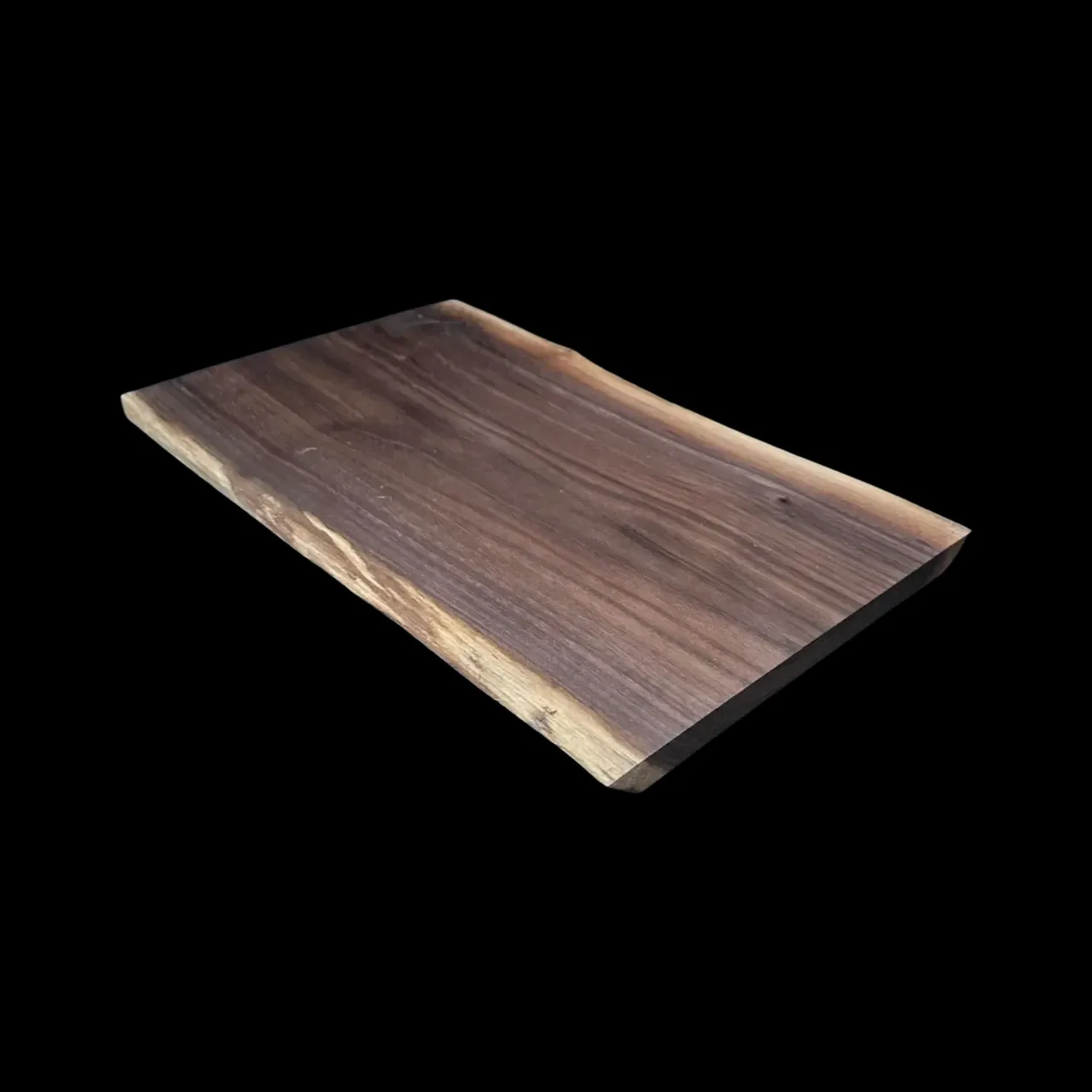
Walnut 🥔🐿️
- 👉 Durability: High, but slightly softer than maple
- 👉 Grain: Dark, tight, and beautiful
- 👉 Why Walnut: It’s elegant, dark wood that still performs like a champ. Walnut boards are the kitchen equivalent of a tailored suit—stylish and strong.
Cherry 🍒
- 👉 Durability: Moderate
- 👉 Grain: Smooth and slightly open
- 👉 Why Cherry: Cherry deepens in color over time, giving it a warm, rich look. It’s great for lighter kitchen work and adds a gorgeous touch to your space.
Oak (Red or White)🌳
- 👉 Durability: Very high
- 👉 Grain: Coarse, with a bit more texture
- 👉 Why Oak: Oak is a workhorse. It’s super strong and water-resistant, especially in end-grain form. A great choice if your cutting board doubles as a serving platter.
🎁 Wrap-Up: Let’s Cut to the Point (Pun 100% Intended)
Plastic boards are cheap, sure—but they’re also sneaky sources of microplastic contamination and knife dulling disappointment. Hardwood boards? They’re beautiful, durable, better for your health, and kind to your knives.
🤔 Key Takeaways:
✔️ Plastic = microplastics in your food and dull blades
✔️ Wood = safer surface with natural bacteria resistance
✔️ Hardwoods like maple, walnut, cherry and oak offer different benefits for different cooking styles
✔️ Your knife will stay sharper, longer on a wooden board
🎇 Ready to Upgrade Your Kitchen Game?
Treat yourself (and your knives!) to a handcrafted hardwood cutting board from MESI Woodshop & Spice House. While you’re there, don’t miss their incredible spice blends—because a good meal starts with the right prep and the perfect pinch of flavor.
Fun Fact Time! 🌿
Hardwood cutting boards are “self-healing”!
The dense fibers in hardwoods like maple and walnut can actually close up small cuts and grooves over time. This not only helps the board last longer, but it also makes it harder for bacteria to hide✨
So… Stay sharp and ditch the plastic! 🗡️